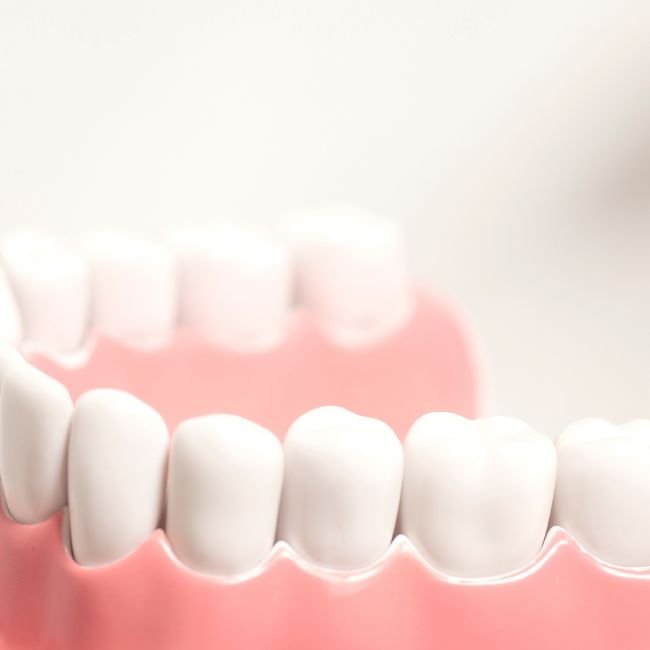
Tooth, tissue or bone: choosing the right guide support
The support a guide rests on decides how accurately it seats. Tooth-supported guides are the most stable when enough teeth remain. Tissue-supported…
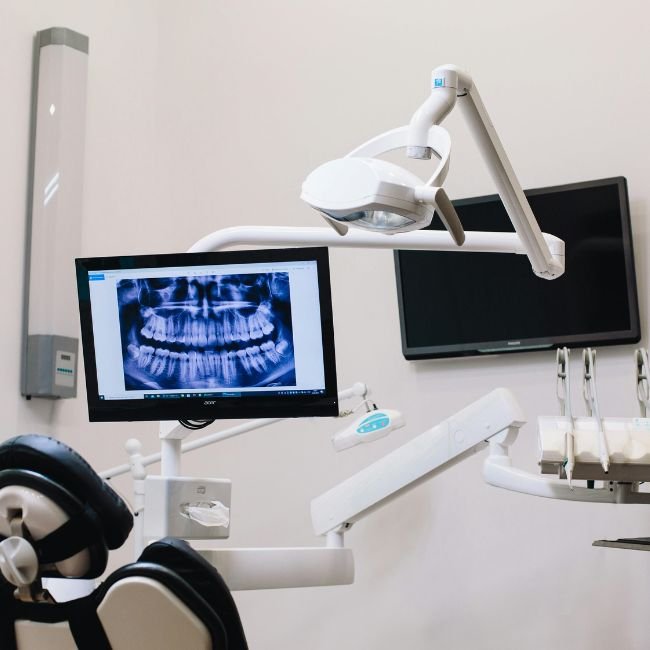
The support a guide rests on decides how accurately it seats. Tooth-supported guides are the most stable when enough teeth remain. Tissue-supported guides need fixation pins and a well-fitting scan appliance. Bone-supported guides are used after a flap is raised, usually together with bone reduction.
In practice
Every case is different, so treat this as a starting point and adapt it to your implant system, your equipment and your team. If something here does not match what you see in your own workflow, ask Y Medic before the case, not during it.
Checklist
- Confirm the records are complete before design starts.
- Approve the plan on screen; ask for changes in writing.
- Try the guide on the model before the day of surgery.
More from the team.
 Guided surgeryTooth, tissue or bone: choosing the right guide supportThe support a guide rests on decides how accurately it seats. Tooth-supported guides are the most stable when enough teeth…Read
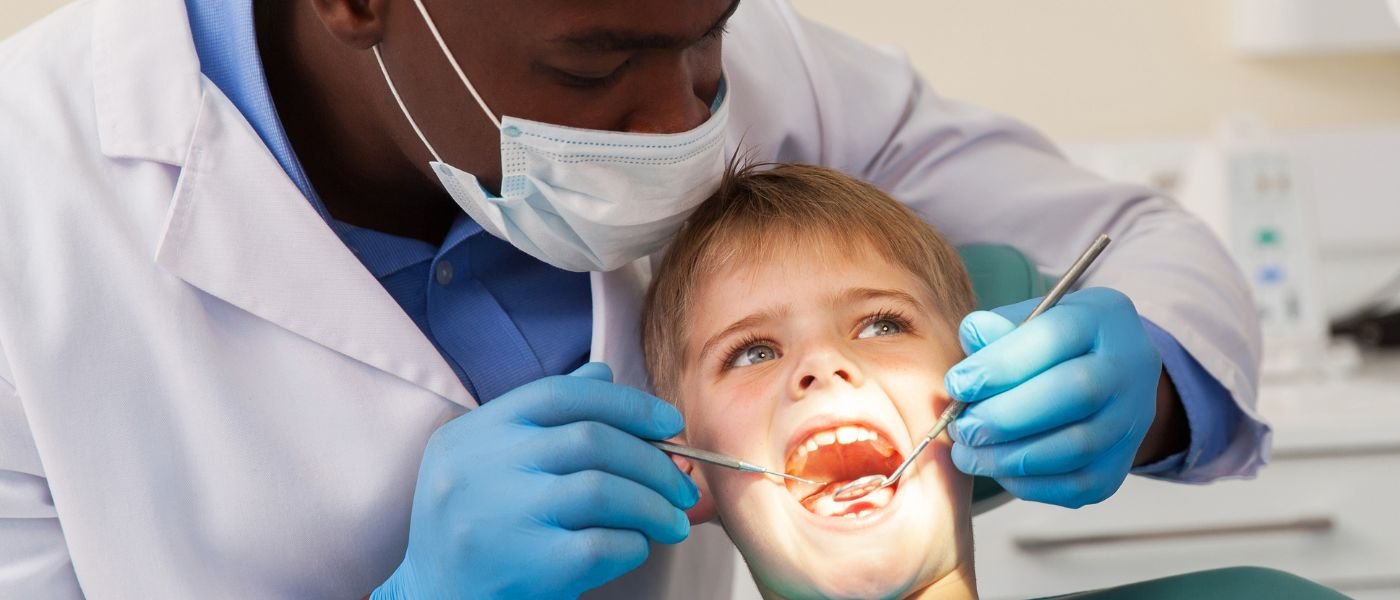 PlanningWhat to send with a CBCT so the plan is right first timeA good plan starts with good records: a CBCT with the teeth slightly apart, an intra-oral scan of both arches…Read
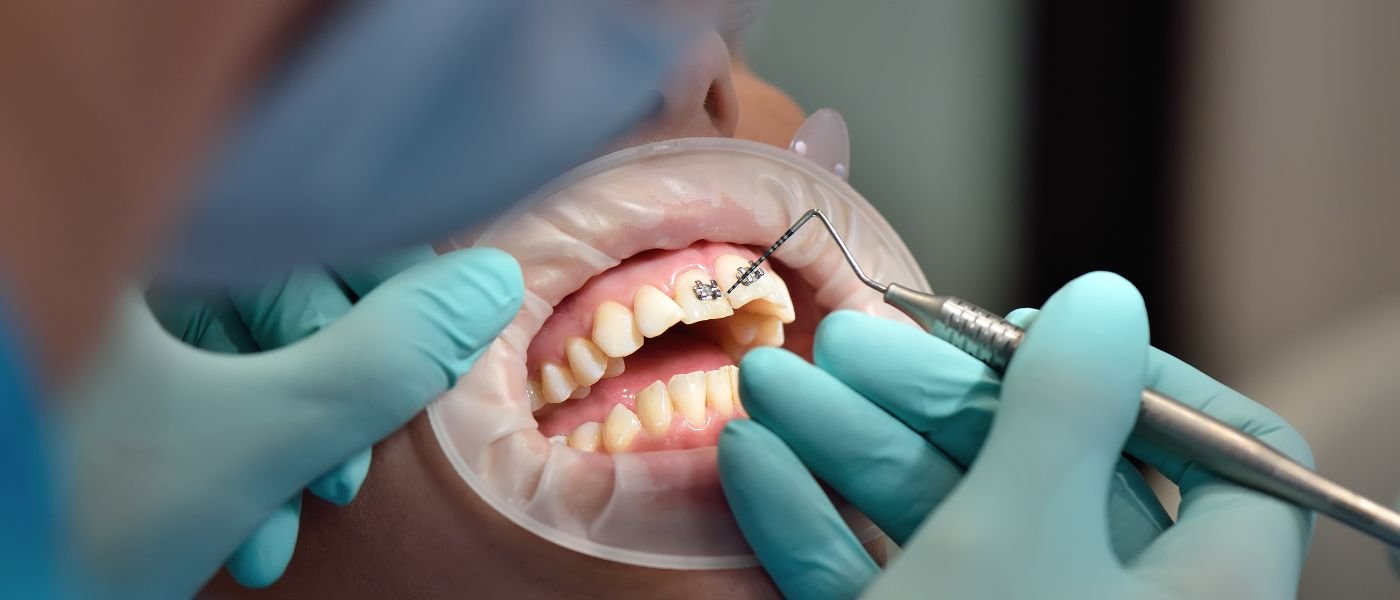 Guided surgeryWhy a guide does not seat, and how to check before surgeryMost seating problems come from the scan, not the design: distortion across the arch, movement during the CBCT, or printing…Read
 3D printingPrinting surgical guides in-house: a short validation routinePrint a calibration piece with every build, measure it, and record the result. Check sleeve fit with the actual sleeve.…Read
Send us the case. We will review the workflow with you.
Then we design the guide around how your practice actually works.